
Industrial Fire Safety and Precision Equipment Protection Guide
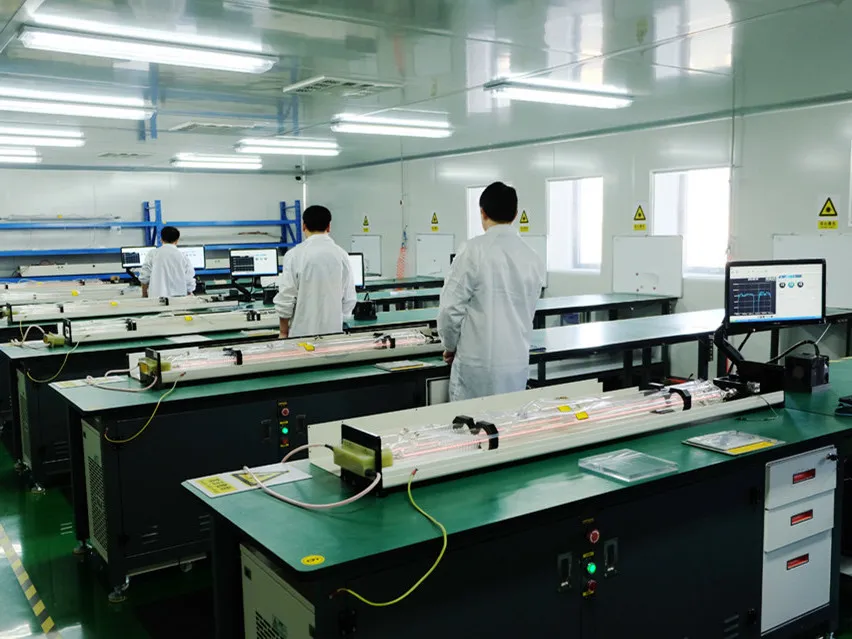
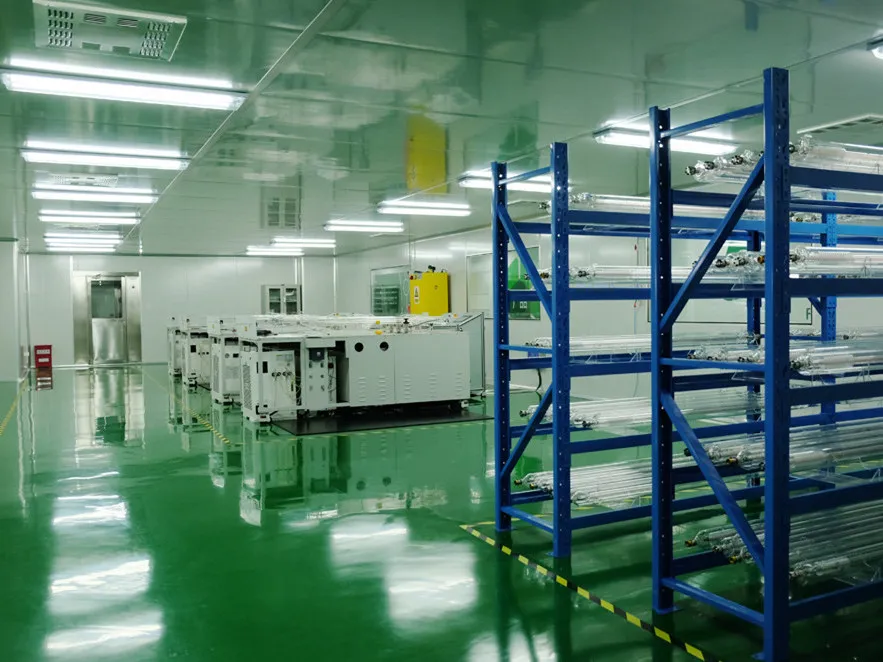
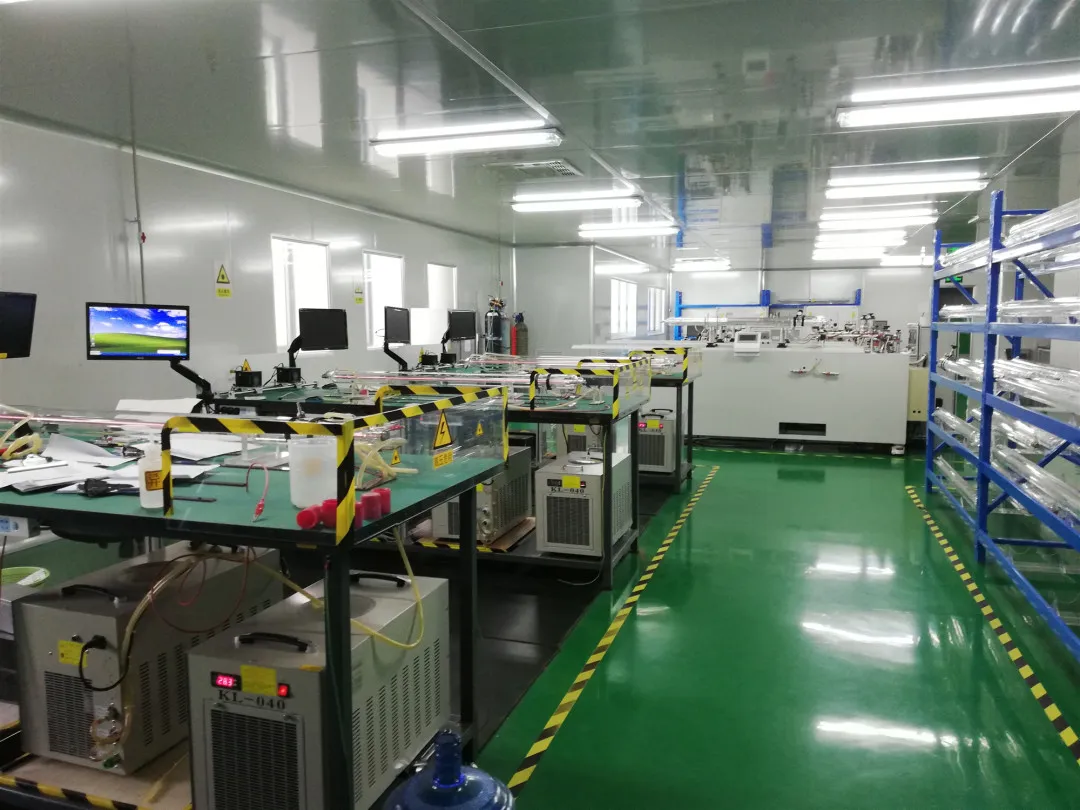
As a source manufacturer of high-power CO2 laser tubes, our production environment involves high-voltage electricity, precision glass blowing, and high-value optical elements. We fully understand that a safe production environment requires collective dedication. Fire safety not only safeguards lives but also secures an enterprise’s core assets.

01 Four Pillars of Factory Fire Safety Management
To comprehensively elevate factory safety standards, enterprises must establish a rigorous prevention mechanism to eliminate fire hazards at the root.
-
Absolute Accountability Strictly enforce fire safety ownership across all levels. Define specific fire safety responsibilities for every department and workstation. Implement robust daily inspections and hazard-tracking protocols.
-
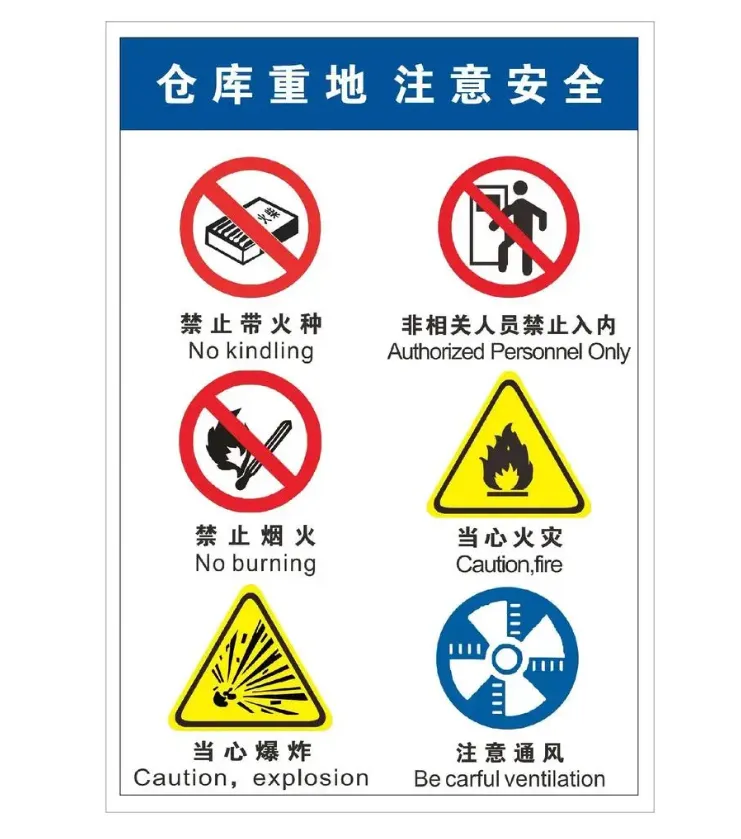
Strict Prohibitions & Certification Illegal hot work is strictly forbidden. Employees in high-risk roles or key positions must receive professional training and hold valid certifications . Carrying ignition sources, using open flames, and smoking are universally prohibited in production workshops, raw material zones, and finished goods warehouses.
-
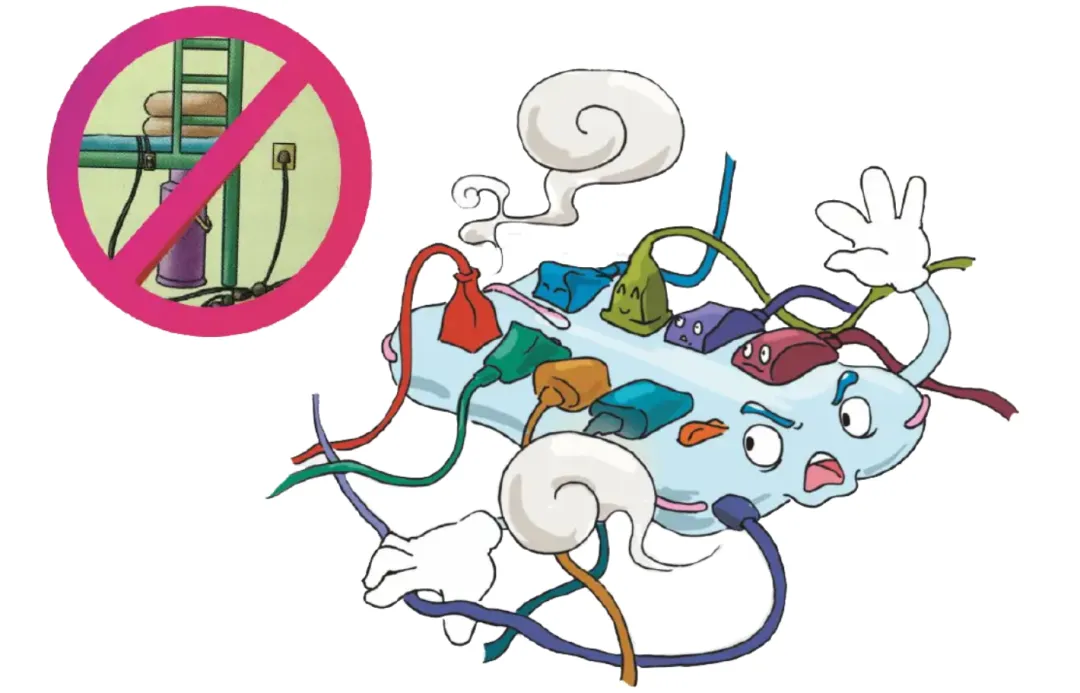
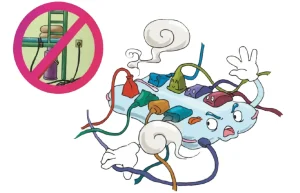
High-Standard Electrical Compliance To support the high-voltage demands of laser manufacturing, electrical wiring must strictly match equipment load requirements. All circuits must be routed through metal conduits or flame-retardant PVC sleeves and equipped with residual current devices (RCDs/GFCI). Unauthorized temporary wiring is strictly banned.
-
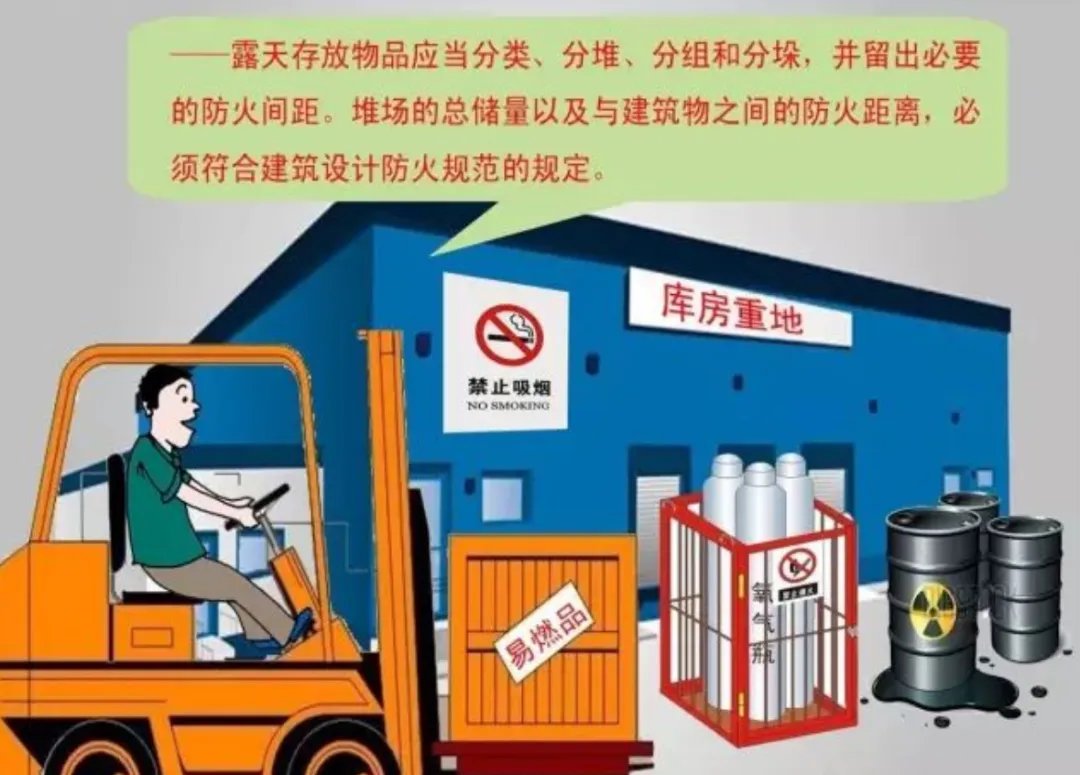
Scheduled Housekeeping & Hazard Isolation Combustible debris (such as wooden pallets and cardboard) must be cleared regularly from workshops and exit routes. Flammable or explosive hazardous chemicals must be categorized and stored in specialized containment facilities following local and international compliance standards.

02 Fire Extinguisher Matrix: Protecting Precision Machinery
In industrial fire emergencies, choosing the wrong extinguishing agent often leads to catastrophic secondary damage (collateral damage). For instance, the corrosive residue from a Dry Powder extinguisher can permanently ruin the precision lenses, mirrors, and laser tubes of a laser cutter. Choosing the right tool is paramount:
|
||||||||||||||||||||
|---|---|---|---|---|---|---|---|---|---|---|---|---|---|---|---|---|---|---|---|---|
03 Emergency Equipment Standard Operating Procedures (SOP)
When responding to a sudden fire flare-up, execution speed and accuracy save lives. Follow these standardized procedures:
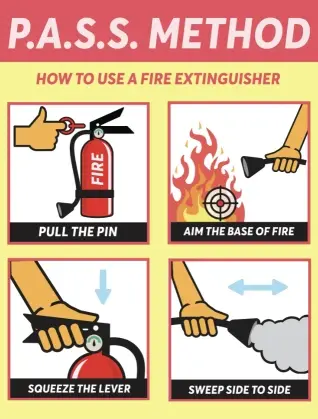
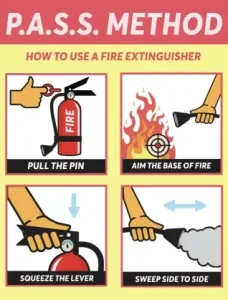
3.1. Portable Fire Extinguisher SOP (Aim, Pull, Squeeze, Sweep)
Dry Powder, Water-based, and CO₂ extinguishers
share a standardized single- operator protocol:
-
Bring: Quickly lift and carry the extinguisher to the fire scene. Set it down at a safe distance of 5 meters (16 feet) away, preferably upwind.
-
Pull: Break the tamper seal and firmly pull out the metal safety pin.
-
Aim: Hold the carrying handle with your right hand, and firmly grasp the nozzle at the tip of the discharge hose with your left hand (for models without a hose, support the bottom ring of the cylinder). Aim the nozzle directly at the base of the fire .
-
Squeeze & Sweep: Squeeze the operating lever with your right hand to discharge the agent. Sweep from side to side, moving from near to far , advancing quickly until the flames are completely extinguished.
3.2. Fire Blanket Mechanics & Deployment SOP
-
How it Works :
-
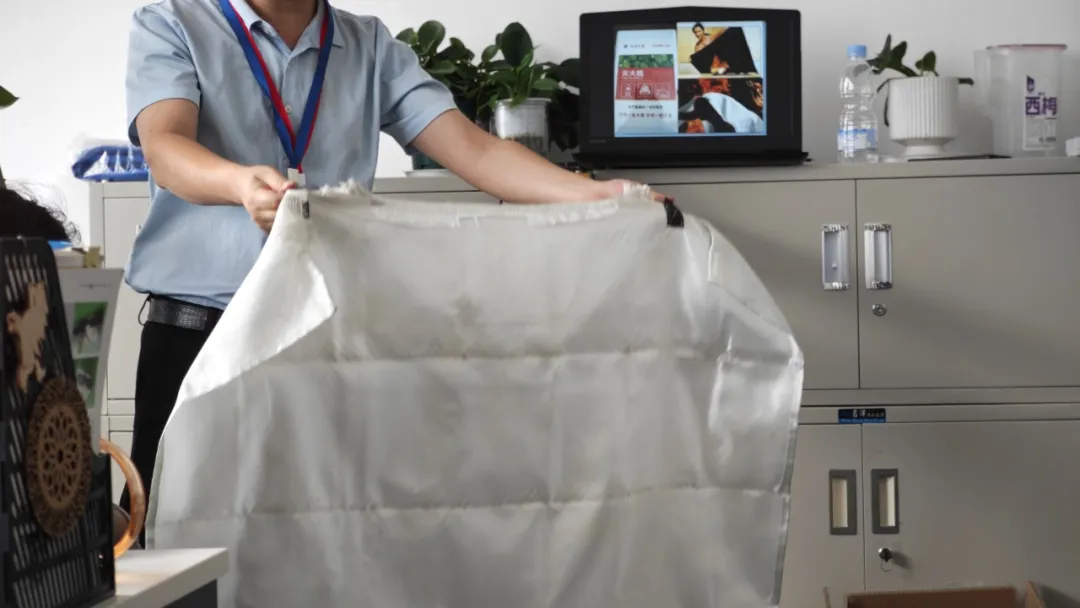
Oxygen Smothering: Completely covers the flame to seal off oxygen supply, choking the fire naturally.
-
Thermal Insulation: Crafted from heavy-duty fiberglass that absorbs high thermal energy, dropping surface temperatures to eliminate re-ignition risks.
-
Agile and Damage-Free: Lightweight and leaves zero chemical mess, ensuring zero collateral damage to nearby assets.
-
-
Ideal Applications: Primarily used for incidental Class B and F fires (such as kitchen oil pans, lab flare-ups, or minor electrical cabinet shorts). Ensure the blanket completely blankets the burning asset to fully choke the flame.
3. Multi-Functional Emergency Escape Hammer (Vehicle/Logistics Safety)
For logistics fleets, supply chain transport, or company shuttle emergencies, the multi-functional safety hammer is a vital life- saving tool:
-
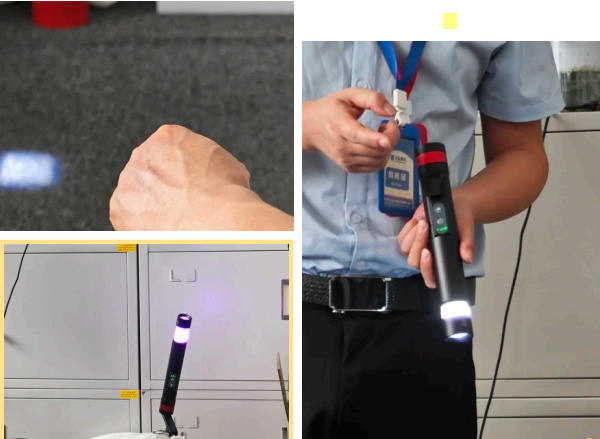
Tungsten Steel Window Breaker: Utilizes a hardened tungsten steel tip to concentrate force, instantly shattering automotive side windows for emergency egress.
-
Integrated Seatbelt Cutter: Features a shielded razor-sharp blade to slice through jammed seatbelts in seconds without risk of cutting skin.
-
Emergency Lighting & Signaling: Equipped with heavy-duty LED illumination, SOS beacons, and red warning hazard lights to alert oncoming traffic during night breakdowns.
STAY IN THE LOOP